1. Doing Nothing!
If you have a un-healthy lifestyle, then you’re probably eating more calories than you burn off, according to Stanforth. And recent studies indicate that any time you’re not moving (meaning you’re sitting or standing), it’s bad for your health. You need to change your lifestyle in order to get better results! go to the gym 2 days a week for an example, 2 hours is enough to greatly effect your healthy lifestyle. Weight loss comes down to energy balance. If we use more energy than we consume (through physical activity), then we will start to burn off energy from within the body i.e. body fat. On the other hand, if we consume more energy (kcal) than we need to, we will put on weight.

2. Eating To Much Calories!
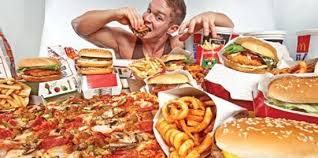
Portions and food servings have drastically gone up over the years, and it’s seriously affecting our waistlines. “Portion size is a big problem,” Stanforth revealed in the article. “Most people would say ‘well that looks like a serving’ but in reality it’s two or three servings.” His tip: eat half of what you order at restaurants and bring the other half home. Eating calories are good,but if you eat more calories than you need, the body changes extra calories to fat. too much fat can lead to being overweight and other health problems. … High-caloriesfoods — such as sugary sodas, candy, and fast food — quickly add up to many calories Instead, eat a healthy, balanced diet.
3. You’re Not Sleeping Well!
Good sleep is one of the most important factors for your physical and mental health, as well as your weight. Studies show that poor sleep is one of the single biggest risk factors for obesity. Adults and children with poor sleep have a 55% and 89% greater risk of becoming obese, respectively (23Trusted Source).
A lack of good-quality sleep could be a natural consequence of changing sleep-wake patterns after menopause. … A lack of sleep does more than make you drowsy. Chronic insomnia has been linked to a variety of health problems, including obesity, high blood pressure, heart disease, diabetes, and depression.

4. Getting Slow Results!
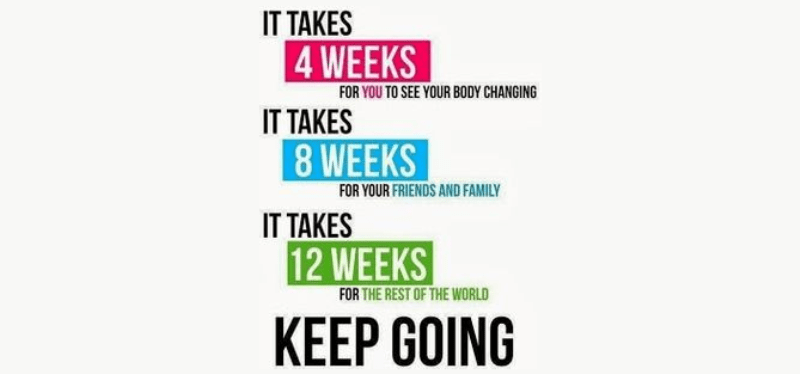
Weight loss is a process—one that doesn’t always happen as quickly as you might like. While healthy weight loss can take time, there are reasons you might not be losing weight that are worth considering as you gauge your progress.
There are some ways to speed up the process
For example, maybe you’re committed to a regular workout, but you’re not burning enough calories. Perhaps you are exercising enough and eating well, but you have a medical condition that is interfering with your ability to shed pounds. There are always solutions to problems keep that in mind!

 Fastest Way To Lose Weight And Stay Healthy! (Guaranteed)